12 High-ROI Ways to Increase Website Traffic in 2025

Increasing website traffic often feels like shouting into the void. You're told to "create great content" and "be on social media," but these vague platitudes don't translate into measurable growth or qualified leads. Generic advice leads to wasted effort, focusing on vanity metrics that don't impact your bottom line. Forget the abstract theories; real growth comes from targeted, repeatable actions that deliver compound results.
This playbook is different. We are skipping the fluff and focusing on 12 high-leverage, practical ways to increase website traffic that a solo founder or small team can execute immediately. Each tactic is broken down into a lean, actionable workflow designed to help you ship faster, convert better, and achieve sustainable growth.
Inside, you'll find the exact steps, recommended tools like Apollo for outreach and Leadpages for optimized landing pages, and the critical decision tradeoffs for each strategy. This guide is built for operators who need to make smart decisions with limited time and budget. Let's move beyond chasing page views and start attracting the right audience that converts.
1. Master On-Page SEO for High-Intent Visitors
Search Engine Optimization (SEO) is one of the most effective ways to increase website traffic by attracting visitors actively looking for your solutions. Instead of a complex, multi-year campaign, focus on mastering on-page SEO for your most important pages. This means optimizing the content you already have to capture high-intent search traffic directly from Google.
Implementation Steps
Start with a content audit. Identify your top 3-5 service or product pages that directly contribute to revenue. For each page, ensure the primary keyword is in the page title, URL, H1 heading, and within the first 100 words. Use secondary keywords naturally throughout the body content, subheadings (H2s, H3s), and in image alt-text. For instance, a consultant’s "Financial Modeling Services" page should also mention related terms like "business forecasting models" and "startup valuation analysis."
To take this a step further, consider incorporating advanced AI SEO strategies that can help pinpoint user intent and optimize content more effectively.
Quick Benchmark: A well-optimized page should see an improvement in keyword rankings within 4-8 weeks. Aim to move your target keywords onto the first page of Google search results.
Do This Next
Use a free tool like Google Search Console to find a page ranking between positions 5-15 for a valuable keyword. Improve its on-page SEO using the steps above and monitor its rank for the next 30 days.
2. Content Marketing
Content marketing is one of the most sustainable ways to increase website traffic by creating and distributing valuable, relevant articles, videos, or guides. Instead of directly selling, this strategy focuses on solving your audience's problems, answering their questions, and establishing your brand as a trusted authority, which naturally attracts qualified visitors over time.

Implementation Steps
Begin by defining your "content pillars," which are the 3-5 core topics your audience deeply cares about. For each pillar, create content that addresses different stages of the buyer journey: awareness (e.g., "What is e-commerce?"), consideration (e.g., "Shopify vs. BigCommerce"), and decision (e.g., "How to set up your first Shopify store"). Establish a consistent publishing schedule, even if it's just one high-quality blog post per week, to build momentum and audience expectations. Repurpose each major piece of content into smaller formats like social media posts, email newsletters, and short-form videos to maximize its reach.
Quick Benchmark: A new blog following this strategy should aim to achieve its first 1,000 monthly visitors within 3-6 months. Top-performing articles should start ranking for long-tail keywords within 6-12 weeks.
Do This Next
Identify one common, high-value question your customers ask. Write a detailed, 1,500-word blog post that provides the definitive answer to that question. Publish it and share it across two relevant social media channels.
3. Utilize Social Media Marketing to Build a Community
Social media marketing is a powerful method for increasing website traffic by building a brand presence and engaging directly with your target audience. Instead of just broadcasting messages, the goal is to create a community around your content on platforms like LinkedIn, Instagram, or TikTok, which in turn drives loyal, engaged visitors back to your website.

Implementation Steps
First, identify which platform your ideal customers frequent the most; a B2B consultant will find more success on LinkedIn than on TikTok. Commit to posting valuable, platform-native content 3-5 times a week. Don't just cross-post the same message everywhere. Create short-form videos for Instagram Reels or TikTok, insightful text posts for LinkedIn, and visually compelling stories for Instagram. For B2B businesses, explore specific LinkedIn lead generation strategies to turn professional connections into website visitors.
Engage authentically by responding to comments and participating in relevant industry conversations. This builds trust and makes your brand more memorable.
Quick Benchmark: Within 60 days of consistent, platform-specific posting and engagement, you should see a noticeable increase in referral traffic from your primary social channel in your website analytics.
Do This Next
Choose one social media platform to focus on for the next 30 days. Schedule and publish at least three relevant posts per week using a tool like SocialBee. Actively engage with five other accounts in your niche every day by leaving thoughtful comments.
4. Harness Email Marketing to Drive Repeat Visitors
Email marketing is a powerhouse for driving consistent, high-quality website traffic by directly engaging an audience that has already opted in. Unlike traffic from ads or social media, your email list is an owned asset, allowing you to send targeted messages that pull subscribers back to your blog posts, product pages, or promotions. It’s one of the highest-ROI channels available.
Implementation Steps
First, build your list by offering a valuable "lead magnet" like a free guide, checklist, or discount code in exchange for an email address. Use tools like Leadpages to create high-converting opt-in forms. Once you have subscribers, segment them based on interests or past behavior. For example, an e-commerce store can create a segment for customers who purchased a specific product category.
Each email should have a clear goal: drive traffic to a new blog post, promote a sale, or announce a new service. Craft compelling subject lines to boost open rates and ensure every email has a clear call-to-action (CTA) button linking back to your site. Maintaining a healthy list is also crucial; you can explore email deliverability best practices for email marketing on unkoa.com to ensure your messages land in the inbox.
Quick Benchmark: Aim for an email open rate of 20-30% and a click-through rate (CTR) of 2-5%. A successful welcome email sequence should drive measurable traffic to key pages within the first 48 hours of a new subscription.
Do This Next
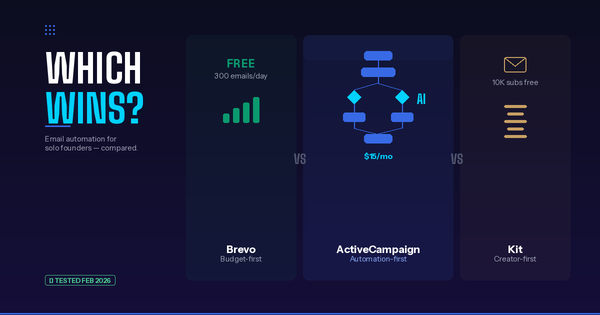
Create a simple, 3-part automated welcome email series using a platform like Brevo. The first email should deliver your lead magnet, the second should introduce your brand story, and the third should link to your most popular blog post or product. Track the click-through rate on the third email.
5. Launch Paid Advertising (PPC) Campaigns
Pay-per-click (PPC) advertising is one of the most direct ways to increase website traffic, offering immediate and measurable results. Unlike organic methods that require time, platforms like Google Ads and Facebook Ads allow you to place your solutions directly in front of motivated buyers from day one. This makes it an ideal strategy for urgent growth needs, testing new offers, and accelerating customer acquisition.
Implementation Steps
Start with a clearly defined goal and a modest budget. For Google Ads, use keyword research to find high-intent search terms that signal a user is ready to buy. For instance, an e-commerce store should target "buy organic dog food online" over a broad term like "dog food." Create a dedicated landing page using a tool like Unbounce that perfectly matches your ad's messaging to maximize conversions. Ensure you have conversion tracking properly installed to measure ROI and optimize your campaigns effectively.
Quick Benchmark: A well-structured PPC campaign should start generating clicks within hours and show clear conversion data within the first 7-14 days. Aim for a positive return on ad spend (ROAS) within the first month.
Do This Next
Launch a single Google Search Ads campaign targeting your top 3-5 commercial keywords. Set a small daily budget ($10-$20) and create one specific landing page for this campaign. Monitor your click-through rate (CTR) and conversion rate for two weeks, pausing underperforming ads and scaling the winners.
6. Guest Posting and Outbound Links
Guest posting is the practice of writing and publishing an article on someone else’s website or blog. This is one of the most powerful ways to increase website traffic by tapping into an established, relevant audience. Instead of waiting for users to find you, this strategy puts your expertise directly in front of potential customers, building brand authority and driving high-quality referral traffic back to your own site.
Implementation Steps
Begin by creating a target list of 20-50 websites in your niche that accept guest contributions. Prioritize sites where your ideal audience actively engages. Before pitching, interact with their content by commenting on posts or engaging on social media to build familiarity. When you're ready, pitch 2-3 unique, highly specific article ideas that fill a gap in their existing content, rather than sending a generic "I'd like to write for you" email. Once accepted, deliver an exceptional article that includes one or two natural, contextual links back to a relevant resource on your website.
Quick Benchmark: A single, well-placed guest post on a high-authority site can start sending referral traffic within days of publication and continue to do so for months or even years.
Do This Next
Identify five blogs or publications your ideal customer reads. Study their content and identify a topic they haven't covered in-depth. Outline a detailed article on that topic and send a personalized pitch email to the editor, including your proposed title and key takeaways.
7. Video Marketing and YouTube
Video marketing is a powerful strategy to increase website traffic by tapping into the world's second-largest search engine: YouTube. By creating valuable, engaging video content, you can capture a vast audience and direct them back to your website. This approach leverages visual storytelling to build authority, explain complex topics, and create a direct funnel for interested viewers.
Implementation Steps
Start by identifying topics your target audience searches for on YouTube. Create a short, high-value video answering a specific question or solving a single problem. Optimize your video for discovery by including the primary keyword in your title, description, and tags. In the video description, add a clear call-to-action with a direct link to a relevant blog post or landing page on your site. For example, a video titled "How to Set Up Your First E-commerce Store" should link to a detailed guide on your website.
To scale this effort, consider creating an affiliate program that incentivizes other creators to promote your content. For instance, establishing a system similar to Klap's affiliate program can encourage influencers to drive traffic to your videos and site.
Quick Benchmark: A well-optimized YouTube video should start generating views from search and suggested videos within 2-4 weeks. Aim for a click-through rate above 4% on your custom thumbnails.
Do This Next
Create a 5-minute tutorial video answering a common customer question. Upload it to YouTube with an optimized title and a detailed description containing timestamps and a link back to your website. Promote the video on your existing social media channels and in your next newsletter.
8. Influencer Marketing and Partnerships
One of the most powerful ways to increase website traffic is by tapping into existing, engaged audiences. Influencer marketing allows you to partner with creators and personalities who have already built trust with your ideal customers, leveraging their credibility to drive highly qualified visitors directly to your site. This method bypasses the slow build of organic channels by borrowing established influence.
Implementation Steps
Start by identifying micro-influencers (10K-100K followers) whose audience perfectly aligns with your target market; they often deliver higher engagement and a better ROI than larger accounts. Before reaching out, verify their audience authenticity and engagement rates using a tool like HypeAuditor. Structure your partnership around a clear call-to-action, providing a unique UTM link or discount code to track the traffic they generate. For example, a sustainable fashion brand could partner with eco-conscious lifestyle bloggers to promote a new collection, driving their followers to specific product pages.
Prioritize building long-term relationships over one-off sponsored posts, as repeated exposure builds greater trust and drives more consistent traffic over time.
Quick Benchmark: A successful micro-influencer campaign should generate a noticeable spike in referral traffic within 24-48 hours of their post. Aim for a click-through rate (CTR) of at least 2-3% from their content.
Do This Next
Identify three to five micro-influencers in your niche with engagement rates above 3%. Reach out to one with a personalized collaboration proposal for a single sponsored story or post to test the traffic and conversion results before committing to a larger campaign.
9. Launch a Referral or Affiliate Program
Leveraging referral and affiliate programs is a powerful way to increase website traffic by incentivizing others to promote your brand. Instead of paying for clicks, you reward partners, customers, and creators for sending qualified visitors who convert. This word-of-mouth marketing engine builds on trusted recommendations, generating high-intent traffic at a predictable acquisition cost.
Implementation Steps
First, decide between a customer referral program (rewarding existing users) or an affiliate program (partnering with content creators). For an affiliate program, create an attractive commission structure; 15-30% of the sale is standard for digital products. Provide your affiliates with a "partner pack" containing marketing materials like logos, ad copy, and unique tracking links. Platforms like Refersion, LeadDyno, or Impact can manage tracking, payouts, and partner communication.
To get started, actively recruit your first 10-20 affiliates. Reach out to bloggers, YouTubers, or consultants in your niche instead of waiting for them to find you.
Quick Benchmark: A new affiliate program should aim to source 5-10% of its total website traffic within the first 3-6 months.
Do This Next
Identify your top 5 most enthusiastic customers or brand followers. Personally invite them to a pilot affiliate program with a slightly higher-than-average commission rate. Use their feedback to refine your onboarding process and marketing assets before a wider launch.
10. Community Building and Engagement
Creating a dedicated space for your audience to connect is one of the most sustainable ways to increase website traffic. A strong community drives repeat visits, generates powerful word-of-mouth marketing, and produces user-generated content that attracts new members. Instead of constantly chasing new visitors, you cultivate a loyal base that returns to your site as a primary resource, turning passive readers into active brand advocates who share your content organically.
Implementation Steps
Choose a platform where your audience is already active, such as a Facebook Group, Discord server, or a dedicated platform like Circle. Establish clear community guidelines from day one and actively moderate discussions to maintain a positive environment. Encourage member-to-member interaction by hosting regular AMAs, exclusive events, or weekly discussion threads. For instance, a B2B consultant could create a Slack community for past clients, offering them a space to network and access exclusive content, driving them back to the website for in-depth resources.
Quick Benchmark: An engaged community should start generating 5-10% of your referral traffic within 3-6 months. Look for consistent member growth and high participation rates in community events.
Do This Next
Create a simple "Community" page on your website with a clear call-to-action to join. Promote it in your email newsletter and on your social media channels for one week. Track how many new members you gain directly from these website-driven promotions.
11. Press Releases and Media Outreach
Strategic media outreach is one of the most powerful ways to increase website traffic by leveraging the authority and audience of established publications. By distributing newsworthy announcements to journalists and bloggers, you can generate high-authority backlinks, create significant traffic spikes, and build brand credibility. Unlike paid ads, earned media coverage acts as a powerful third-party endorsement that drives targeted, high-trust visitors.
Implementation Steps
Start by identifying a truly newsworthy angle, such as a new product launch, a compelling data report, or a unique company milestone. Craft a compelling story, not a sales pitch. Create a targeted list of journalists who cover your industry and personalize your pitch to each one, explaining why the story is relevant to their audience. For broader distribution, use a service like PRWeb to reach a wide network of outlets. Always include a media kit with high-quality images, logos, and executive bios to make a journalist's job easier.
Quick Benchmark: A successful press release campaign can generate media mentions and backlinks within 1-2 weeks of distribution. Aim for at least 3-5 placements in relevant industry blogs or news sites from a single campaign.
Do This Next
Identify one newsworthy event for your business in the next quarter. Draft a concise press release (under 500 words) focusing on the "who, what, when, where, and why." Research and build a list of 10 relevant journalists and begin building a relationship by engaging with their content online before you send your pitch.
12. Boost Value with Conversion Rate Optimization (CRO)
While not a direct traffic generation tactic, Conversion Rate Optimization (CRO) is a powerful force multiplier for all your traffic-building efforts. CRO focuses on improving the percentage of website visitors who take a desired action, like making a purchase or signing up for a newsletter. By converting more of your existing traffic, you maximize the ROI of every visitor, effectively getting more value without needing more volume. This makes it one of the most efficient ways to increase website traffic's overall impact on your business goals.
Implementation Steps
Begin by defining a clear conversion goal for a high-traffic page, such as your homepage or a key service page. Use a tool like Hotjar or Microsoft Clarity to install heatmaps and session recordings to see where users click, scroll, and drop off. Identify one high-impact element to test, like the headline, call-to-action (CTA) button text, or the number of form fields. Platforms like Unbounce are built to facilitate this A/B testing, allowing you to run experiments and measure results with statistical confidence.
Quick Benchmark: A successful CRO test on a key element like a CTA can lift conversion rates by 10-20% or more. Aim to run a test until you have at least 100 conversions per variant for a statistically significant result.
Do This Next
Install Microsoft Clarity (a free tool) on your website. After collecting a week of data, review the session recordings for your most-visited landing page. Identify one obvious point of friction and form a hypothesis on how to fix it for your first A/B test.
12 Traffic Growth Strategies Comparison
| Strategy | Implementation complexity | Resource requirements | Expected outcomes | Ideal use cases | Key advantages |
|---|---|---|---|---|---|
| Search Engine Optimization (SEO) | High — technical + ongoing | Moderate–High (tools, content, dev) | Sustainable organic traffic, ranking growth in 3–12 months | Long-term growth, high-search-intent products/services, local businesses | Cost-effective long-term, high-intent visitors, credibility |
| Content Marketing | Medium–High — planning + production | High (writers, designers, distribution) | Authority building and gradual traffic increases in 2–6 months | Thought leadership, lead generation, SEO support | Supports SEO, multiple entry points, evergreen content |
| Social Media Marketing | Medium — platform-specific work | Medium (community management, creative, ads) | Faster referral traffic and awareness in 1–3 months | B2C brands, community building, viral campaigns | Real-time engagement, targeting, viral potential |
| Email Marketing | Low–Medium — setup + segmentation | Low–Medium (ESP, list growth, copy) | Immediate to long-term traffic; high ROI as list matures | Retention, nurture sequences, repeat purchases | Direct channel, measurable, highly personalizable |
| Paid Advertising (PPC) | Medium–High — ongoing optimization | High (ad spend, tools, specialists) | Immediate, scalable traffic while funded | Short-term acquisition, testing offers, high-intent conversions | Fast results, precise targeting, measurable ROI |
| Guest Posting & Outbound Links | Medium — outreach and writing | Low–Medium (time, outreach tools) | Backlinks, referral traffic; SEO gains in months | Authority building, backlink acquisition, niche exposure | High-quality backlinks, audience exposure, low cash cost |
| Video Marketing & YouTube | High — production + optimization | High (equipment, editing, time) | High engagement and long-term discoverability in 3–6 months | Tutorials, product demos, brand storytelling | Strong engagement, repurposable content, YouTube search reach |
| Influencer Marketing & Partnerships | Medium — vetting and coordination | Medium–High (fees, management) | Targeted traffic and credibility in 1–3 months | Product launches, niche audiences, social proof campaigns | Trusted recommendations, high engagement, authentic content |
| Referral Programs & Affiliate Marketing | Medium — program design + tracking | Low–Medium (platforms, commissions) | Performance-based traffic; scalable over months | E‑commerce, SaaS referrals, partner growth | Pay-for-performance, leverages advocates, scalable |
| Community Building & Engagement | High — ongoing moderation & events | Medium–High (moderators, platform, events) | Loyal repeat visits and word-of-mouth over 6–12 months | Niche communities, retention, product-led growth | Creates advocates, UGC, deep customer insight |
| Press Releases & Media Outreach | Medium — storytelling + pitching | Low–Medium (PR tools, relationships) | High-authority backlinks and traffic spikes immediate–weeks | Product launches, funding announcements, newsworthy events | Builds credibility, potential wide reach, authoritative links |
| Conversion Rate Optimization (CRO) | Medium–High — testing and analysis | Medium (analytics, tools, design/test resources) | Improved conversions often immediately; ongoing gains | Maximize value of existing traffic, landing pages, checkout flows | Increases ROI from traffic, data-driven improvements, quick wins |
From Theory to Action: Your Next Move
We've explored twelve distinct and powerful ways to increase website traffic, moving from the foundational pillars of SEO and content marketing to the dynamic strategies of community building and video content. The sheer volume of options can feel overwhelming, but the goal isn't to master everything overnight. The real path to sustainable growth lies in strategic implementation, not exhaustive execution.
The core takeaway is this: traffic is a direct result of the value you provide and the channels you use to deliver it. Whether you're crafting an insightful blog post optimized for search, launching a targeted ad campaign, or building genuine connections on social media, you are creating a reason for someone to visit your digital home. Each strategy we discussed is simply a different blueprint for building a bridge between your audience's needs and your website's solutions.
Charting Your Course: The Power of a Single Focus
The most common mistake founders and marketers make is trying to do too much at once, leading to diluted efforts and minimal results. Instead of spreading yourself thin across a dozen platforms, select one or two strategies that align perfectly with your business model and resources.
- For B2B Consultants: Your highest leverage point is likely a combination of targeted content marketing and direct outreach. Create a high-value "spoke" article or whitepaper and use tools like Apollo to identify and contact your ideal clients.
- For E-commerce Startups: Focus on a visual-heavy platform like Instagram or TikTok, combined with a robust email marketing strategy using a tool like Brevo to nurture leads and drive repeat purchases.
- For Content Creators: Your primary focus should be on YouTube and SEO. Use tools like Opus Clips to repurpose long-form video into social-friendly shorts, creating a content ecosystem that drives viewers back to your main channel and website.
Your Immediate Next Step
Don't let this knowledge become passive information. The only way to see a tangible increase in your website traffic is to take immediate, decisive action. Right now, open up your project management tool, whether it's Notion or Todoist, and create a single task: "Implement one traffic-building strategy from the list."
Choose the tactic that excites you the most and feels most achievable within the next seven days. Break it down into small, concrete steps. Mastering these ways to increase website traffic isn't about a single magic bullet; it's about building a flywheel of consistent, intelligent effort. Pick your starting point, push the first domino, and watch the momentum build. Your next visitor is waiting.