10 Repeatable Small Business Marketing Strategies for 2025

Finding effective small business marketing strategies feels like searching for a needle in a haystack. The internet is flooded with generic advice that ignores the realities of a tiny team: limited time, a tight budget, and the urgent need for measurable results. This guide is different. We're not just listing ideas; we're providing 10 repeatable playbooks designed for B2B businesses and agencies ready to move from inconsistent results to scalable growth.
Each strategy is broken down into a concrete workflow with clear steps, tool recommendations like Apollo for outreach and Leadpages for conversions, and the decision trade-offs you'll face. Staying ahead in marketing requires understanding the most current tactics, which is why we also recommend reviewing updated lead generation best practices to supplement these frameworks. This article cuts through the noise to give you a prioritized list of high-impact, repeatable marketing systems you can implement in days, not months. It’s time to stop theorizing and start implementing strategies that compound your efforts and drive revenue.
1. Launch a Niche Content Engine That Attracts Ready-to-Buy Leads
Instead of blogging randomly, this strategy involves creating a focused content system that directly answers your ideal customer's most urgent questions. This isn't about volume; it's about becoming the go-to authority on a specific problem. By producing in-depth, valuable content, you attract highly qualified leads through organic search, building a long-term marketing asset that works for you 24/7. This approach is one of the most effective small business marketing strategies because it builds trust and pre-sells prospects before they even contact you.
How to Implement This Strategy
- Identify "Pain Point" Keywords: Use a keyword tool to find phrases your ideal customers search for when they have a problem your product solves. Focus on questions like "how to fix [problem]" or "best software for [task]."
- Create "Pillar" Content: For each core pain point, write a comprehensive, long-form article (2,000+ words) that is the definitive guide on that topic. Cover every angle and provide actionable solutions.
- Optimize for Search (SEO): Ensure your content is optimized with your target keywords in the title, headings, and body text. Use tools like Frase to analyze top-ranking competitors and structure your content for success.
- Promote and Distribute: Share your pillar content across relevant channels, such as social media, email newsletters, and niche online communities, to drive initial traffic and build backlinks.
Key Insight: A niche content engine shifts your marketing from outbound "hunting" to inbound "attracting." Your best customers find you because you've already solved a smaller version of their problem for free.
This method excels for businesses with a longer sales cycle or a high-value offer, as it educates and nurtures leads effectively. A small B2B consultancy, for example, used this to create a single, in-depth guide on remote team management, which now generates over 80% of their new client inquiries.
2. Leverage Social Media for Community Building and Direct Sales
This strategy involves using platforms like Instagram, Facebook, LinkedIn, or TikTok not just for brand awareness, but as direct channels for customer engagement and sales. Instead of broadcasting generic updates, you create platform-specific content that fosters a loyal community. By engaging directly with followers and leveraging native features, you can build authentic relationships that drive traffic and transactions, making this one of the most versatile small business marketing strategies available.

How to Implement This Strategy
- Identify Your Core Platform: Don't try to be everywhere. Research where your ideal customer spends their time. A B2B consultant might focus on LinkedIn, while a fashion brand would prioritize Instagram and TikTok.
- Develop Platform-Native Content: Create content specifically for each platform’s strengths. Use Instagram Reels for behind-the-scenes glimpses, LinkedIn articles for industry insights, and Facebook Groups for community discussions.
- Engage Proactively: Social media is a two-way conversation. Respond to comments and direct messages promptly. Actively participate in relevant conversations and groups to establish your expertise and brand personality.
- Schedule and Analyze: Use a tool like SocialBee or Buffer to maintain a consistent posting schedule. Regularly review analytics to see what content resonates most, and double down on what works.
Key Insight: Effective social media marketing isn't about collecting followers; it's about building an engaged community that trusts your brand. Authenticity and direct interaction are your most powerful assets.
This approach is ideal for businesses with a visual product or a strong brand personality. For instance, a local restaurant can use a Facebook community group to announce daily specials and gather customer feedback, turning casual diners into loyal patrons who feel like part of an exclusive club.
3. Build a High-ROI Email Marketing Program
Email marketing remains one of the most powerful and direct communication channels available to a small business. It involves building a list of subscribers and sending them targeted messages to nurture leads, drive sales, and foster customer loyalty. Unlike social media, you own your email list, giving you a direct line to your audience that isn't dependent on algorithms. This control makes it one of the highest-returning small business marketing strategies.

How to Implement This Strategy
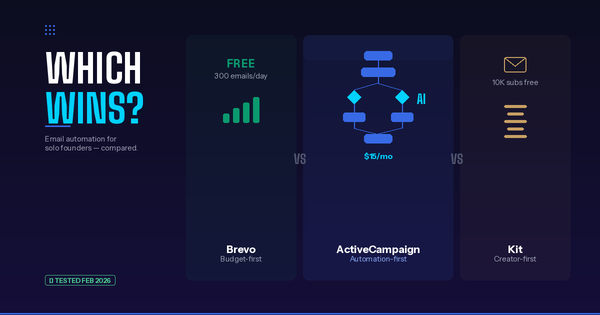
- Choose an Email Service Provider (ESP): Select a platform like Brevo or ConvertKit to manage your subscribers and send campaigns. Start with a simple, affordable plan that can scale with you.
- Create a Valuable Lead Magnet: Offer a compelling incentive, such as a free guide, checklist, or webinar, in exchange for an email address. A strong offer is the foundation of list growth; you can learn more about what a lead magnet is on unkoa.com.
- Set Up an Automated Welcome Sequence: Create a series of 3-5 automated emails to onboard new subscribers. This sequence should introduce your brand, deliver the promised lead magnet, and provide immediate value to build trust.
- Segment Your List and Personalize: Group subscribers based on their interests, purchase history, or engagement. Send targeted content to these segments to increase relevance and a campaign's effectiveness.
Key Insight: Email marketing isn't about blasting promotions; it's about building a relationship in your customer's inbox. Consistent, valuable communication turns subscribers into loyal fans and repeat buyers.
This strategy is essential for e-commerce brands, consultants, and creators. For example, an online store can implement an abandoned cart email sequence, automatically reminding shoppers of their items and offering a small discount, often recovering over 10% of otherwise lost sales.
4. Search Engine Optimization (SEO)
Search Engine Optimization is the practice of increasing your website's visibility in search engine results like Google. This involves a set of techniques designed to make your site more attractive to search algorithms, driving organic, high-intent traffic without paying for ads. By ranking for terms your ideal customers are searching for, you position your business as a credible solution at the exact moment they need one. This approach is one of the most powerful small business marketing strategies because it creates a sustainable and cost-effective source of leads.
How to Implement This Strategy
- Conduct Keyword Research: Identify the specific phrases and questions your target audience uses when searching for solutions you provide. Focus on keywords that show purchase intent or a clear need for information. Learn more about keyword research for your business.
- Optimize On-Page Elements: Ensure your website's title tags, meta descriptions, headings, and content are infused with your target keywords. The goal is to clearly signal to search engines what each page is about.
- Prioritize Technical SEO: A fast-loading, mobile-friendly website is non-negotiable for good rankings. Use Google's PageSpeed Insights to check your site's performance and address any technical issues holding you back.
- Build Authority with Backlinks: Earn links from other reputable websites in your industry. High-quality backlinks act as "votes of confidence," signaling to Google that your content is trustworthy and valuable.
Key Insight: SEO isn't about tricking search engines; it's about creating the best possible user experience and providing the most relevant answers to your audience's questions.
This strategy is ideal for businesses that solve a specific, research-intensive problem. A local plumbing company, for instance, can use local SEO to appear first when someone searches "emergency plumber near me," capturing high-value customers in their immediate service area.
5. Pay-Per-Click (PPC) Advertising
Pay-Per-Click advertising is a digital marketing model where you pay a fee each time one of your ads is clicked, offering immediate visibility on platforms like Google and Facebook. This strategy allows you to bypass the slow build of organic methods and place your offer directly in front of a highly targeted audience. Instead of waiting for customers to find you, you actively pursue them based on their search queries, demographics, and online behaviors. For businesses needing quick results, PPC is one of the most direct small business marketing strategies to generate traffic and leads.
How to Implement This Strategy
- Select Your Platform and Define Goals: Choose the right platform for your audience, such as Google Ads for search intent or LinkedIn Ads for B2B professionals. Clearly define your campaign goal, whether it's generating leads, driving sales, or increasing brand awareness.
- Conduct Keyword and Audience Research: Identify high-intent keywords your customers use when looking for a solution. On social platforms, build detailed audience profiles based on interests, job titles, and behaviors.
- Create Compelling Ads and Landing Pages: Write concise, powerful ad copy with a clear call-to-action (CTA). Ensure your ads direct traffic to a dedicated landing page that is optimized for conversions and aligns perfectly with the ad's message.
- Launch, Monitor, and Optimize: Set a daily or lifetime budget and launch your campaign. Continuously monitor key metrics like click-through rate (CTR) and conversion rate, A/B testing ad copy and targeting parameters to improve performance.
Key Insight: PPC provides immediate, quantifiable data. Every click and conversion is tracked, allowing you to quickly determine your return on investment and make data-driven decisions to scale what works.
This method is ideal for businesses that need to generate leads or sales quickly, such as a local service provider using location-targeted Google Ads to capture urgent "near me" searches. An e-commerce store can use PPC to promote a new product line and see sales within hours of launching the campaign.
6. Referral and Word-of-Mouth Marketing
This strategy transforms your existing happy customers into a powerful, trust-based sales force. Instead of spending on ads, you incentivize satisfied clients to promote your business through personal recommendations. It's built on the principle that people trust recommendations from friends and family more than any other form of advertising. A well-designed referral program automates word-of-mouth, creating a low-cost and highly effective customer acquisition channel that builds on itself over time.
How to Implement This Strategy
- Deliver a "Referable" Experience: The foundation of any referral program is a product or service so good that people want to talk about it. Focus relentlessly on exceeding customer expectations first.
- Make It Effortless to Share: Create a simple, one-click process for customers to refer others. This could be a unique link, a pre-written email, or a simple form on your website. The fewer steps, the higher the participation.
- Offer a Double-Sided Incentive: Reward both the referrer and the new customer. This creates a win-win scenario that increases the likelihood of a referral. For example, Dropbox famously offered extra storage space to both parties.
- Automate and Track Everything: To help your referral program run itself efficiently, consider exploring the best referral marketing software platforms. These tools handle link generation, tracking, and reward fulfillment, saving you immense administrative time.
Key Insight: Referral marketing isn't just a tactic; it's a direct reflection of your customer satisfaction. A successful program proves you've built something worth sharing.
This strategy is ideal for service-based businesses and product companies with a strong user community. A local home cleaning service, for instance, could offer both the existing client and their referred friend a $25 discount on their next cleaning, creating a viral loop of local growth.
7. Local SEO and Google My Business Optimization
This strategy focuses on dominating search results within a specific geographic area. Instead of competing globally, you optimize your online presence to appear when local customers search for your services, primarily through Google Search and Google Maps. It involves fine-tuning your Google Business Profile, building local credibility, and ensuring your business information is consistent across the web. This is one of the most critical small business marketing strategies for any company with a physical location or a defined service area, as it directly connects you with customers actively seeking to make a purchase nearby.
How to Implement This Strategy
- Claim and Optimize Your Google Business Profile (GBP): This is your most important local SEO asset. Fill out every single section completely: services, products, hours, high-quality photos, and business description. An incomplete profile signals low authority to Google.
- Standardize Your NAP (Name, Address, Phone): Ensure your business name, address, and phone number are listed exactly the same across your website, GBP, and all other online directories like Yelp or Yellow Pages. Inconsistencies hurt your local ranking.
- Actively Manage Customer Reviews: Systematically encourage happy customers to leave reviews on your GBP. Use tools like NiceJob to automate requests. Respond to all reviews, both positive and negative, to show you are engaged.
- Create Location-Specific Content: If you serve multiple towns, create dedicated pages on your website for each one (e.g., "Plumbing Services in Springfield"). Mention local landmarks and neighborhoods to strengthen geographic relevance.
Key Insight: Local SEO isn't about outranking everyone everywhere; it's about being the undeniable best choice for the person searching "plumber near me" right now.
This method is non-negotiable for brick-and-mortar businesses like restaurants, dental practices, and retail stores. For instance, a local HVAC company can use this to rank #1 in the Google "Map Pack" for emergency repair queries, capturing high-intent customers at the moment of need.
8. Partner with Influencers and Complementary Brands
This strategy involves collaborating with influencers or other non-competing businesses to tap into their established audiences. Instead of building your reach from scratch, you gain instant credibility and access to a targeted group of potential customers. It's a powerful way to generate brand awareness and drive sales by leveraging the trust an influencer or partner has already built. This is one of the most scalable small business marketing strategies, allowing you to reach niche communities with an authentic endorsement.
How to Implement This Strategy
- Identify Potential Partners: Search for micro-influencers (10k-100k followers) whose audience perfectly matches your ideal customer profile. Look for high engagement rates, not just follower counts. Also, identify complementary businesses, such as a local gym for a meal-prep service.
- Craft a Personalized Outreach Pitch: Avoid generic templates. Explain why a partnership is a good fit, what value you see in their audience, and propose a clear, mutually beneficial collaboration.
- Define Clear Terms and Deliverables: Create a simple agreement outlining the scope of work, content deliverables, compensation (e.g., flat fee, commission, or free product), and usage rights. Use a tool like Sign now to manage contracts.
- Track Performance with Unique Codes: Provide each partner with a unique discount code or trackable affiliate link. This allows you to measure the direct ROI from their efforts and identify your most effective partnerships.
Key Insight: The best partnerships are built on genuine alignment, not just a transaction. Your audience can spot an inauthentic promotion instantly, so prioritize partners who truly love what you do.
This approach is highly effective for e-commerce, B2C, and SaaS businesses looking for rapid growth and social proof. For example, watch brand Daniel Wellington grew into a multi-million dollar company almost exclusively by sending free watches to a massive network of micro-influencers who then posted about them on Instagram.
9. Build a Thriving Brand Community
This strategy moves beyond one-way communication to create a dedicated space where your customers can connect with each other and your brand. Instead of just selling to an audience, you are nurturing an ecosystem of loyal fans who become brand advocates. By building a platform like a Facebook group, Discord server, or dedicated forum, you foster deep relationships, gather invaluable feedback, and create a powerful moat around your business that competitors can't easily replicate. This is one of the most sustainable small business marketing strategies for long-term growth and customer retention.
How to Implement This Strategy
- Choose Your Platform: Select a space where your target audience already spends time. This could be a private Facebook Group for a course, a Discord server for a tech product, or a dedicated platform like Mighty Networks for a premium membership.
- Set Clear Guidelines and Seed with Advocates: Establish a clear code of conduct to ensure a positive environment. Invite a small group of your most enthusiastic customers first to help set the tone and spark initial conversations.
- Create Engagement Rituals: Don't wait for conversations to happen. Proactively start weekly threads like "Wins of the Week," "Ask Me Anything" sessions, or feedback requests to create consistent interaction points.
- Recognize and Empower Members: Actively highlight member contributions, celebrate their successes, and give top contributors special recognition or perks. This encourages others to participate and transforms passive members into active advocates.
Key Insight: A brand community transforms your marketing from a cost center into a self-sustaining asset. Your most passionate customers become your best salespeople, support team, and product advisors, all for free.
This approach is ideal for brands with a strong mission or a product that benefits from shared user experiences. For instance, a small software company created a Slack community for its power users, which has not only reduced support tickets by 40% but also generated its top three most-requested feature ideas for the following year.
10. Implement a Marketing Automation and CRM Strategy
This strategy involves using software to automate repetitive marketing tasks and manage customer relationships at scale. Instead of manually sending follow-up emails or tracking leads in a spreadsheet, a CRM and automation platform handles these processes for you. It enables you to nurture leads through personalized journeys, segment your audience, and deliver the right message at the right time with minimal effort. This is one of the most powerful small business marketing strategies for scaling communication without hiring a large team.
How to Implement This Strategy
- Map Your Customer Journey: Before choosing a tool, outline the key stages a customer goes through, from initial awareness to purchase and repeat business. Identify key touchpoints where automated communication would be valuable, such as a welcome email series or a cart abandonment reminder.
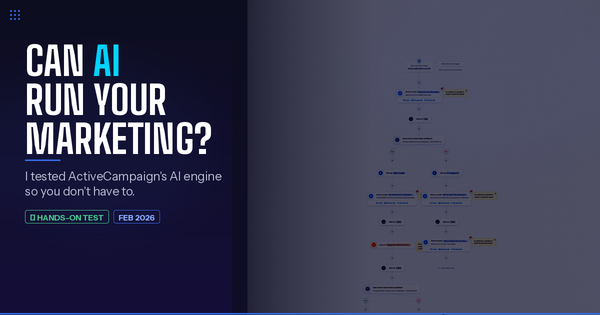
- Choose an Integrated Platform: Select a tool that combines CRM and marketing automation. For most small businesses, platforms like ActiveCampaign or Brevo offer a powerful, all-in-one solution that is more accessible than enterprise-level options like HubSpot or Salesforce.
- Build Simple "If/Then" Workflows: Start with basic automation. For example: If someone downloads a lead magnet, then add them to a 5-day educational email sequence. If a customer hasn't purchased in 90 days, then send a re-engagement offer.
- Segment Your Audience: Use tags and lists within your CRM to group contacts based on their interests, purchase history, or engagement level. This allows you to send highly relevant, personalized campaigns instead of generic email blasts. For more details, explore our guide on marketing automation for small business.
Key Insight: Marketing automation isn't about replacing human connection; it's about using technology to handle the repetitive tasks, freeing you up to focus on the high-value, personal interactions that close deals and build loyalty.
This approach is essential for any business looking to scale efficiently. An e-commerce store, for instance, can use Klaviyo to automatically send a "thank you" email with related product suggestions immediately after a purchase, boosting customer lifetime value without any manual intervention.
Small Business Marketing: 10-Strategy Comparison
| Strategy | Implementation complexity | Resource requirements | Expected outcomes | Ideal use cases | Key advantages |
|---|---|---|---|---|---|
| Content Marketing | Medium–High (long ramp) | Content creators, SEO, time | Long-term traffic, authority, qualified leads | Thought leadership, inbound lead generation | Cost-efficient over time; builds trust |
| Social Media Marketing | Medium (continuous management) | Creators, community managers, ad spend | Brand awareness, engagement, referral traffic | B2C branding, product launches, community growth | Direct audience access; real‑time feedback |
| Email Marketing | Low–Medium (setup & automation) | ESP/platform, lists, copywriters | High ROI, conversions, retention | Lead nurturing, retention, e‑commerce recovery | Direct, measurable, highly personalizable |
| Search Engine Optimization (SEO) | Medium–High (technical + content) | SEO tools, content, technical expertise | Sustainable organic traffic and visibility | Long‑term organic growth, search intent capture | Cost‑effective, targets high‑intent users |
| Pay‑Per‑Click (PPC) Advertising | Medium–High (ongoing optimization) | Ad budget, campaign manager, landing pages | Immediate traffic and measurable conversions | Quick acquisition, seasonal campaigns, competitive keywords | Fast results; precise targeting and ROI tracking |
| Referral & Word‑of‑Mouth Marketing | Low–Medium (program setup) | Incentives, tracking tools, excellent product | High conversion rate, loyal customers | Viral growth, SaaS freemium, consumer apps | Highly trusted; low customer acquisition cost |
| Local SEO & Google My Business | Low–Medium (maintenance) | GMB management, citations, review strategy | Improved local visibility and foot traffic | Brick‑and‑mortar, service-area businesses | Targets high‑intent local customers; cost‑effective |
| Influencer & Partnership Marketing | Medium (research & negotiation) | Budget or product, outreach, contracts | Expanded reach, social proof, content amplification | Consumer brands, launches, lifestyle products | Access to engaged audiences; authentic endorsements |
| Community Building & Engagement | High (ongoing moderation) | Community manager, platform, content | Deep loyalty, reduced churn, product feedback | Memberships, niche brands, long‑term retention | Strong brand advocates; defensible advantage |
| Marketing Automation & CRM Strategy | High (setup & integration) | Automation/CRM software, data, specialists | Personalized journeys at scale; improved conversions | B2B sales funnels, complex customer journeys | Saves time; enables scalable personalization and tracking |
Your Next Move: Pick One and Execute
You now have a complete arsenal of ten powerful, actionable small business marketing strategies. We've moved beyond generic advice and dissected the specific playbooks, from mastering Local SEO to launching a referral program that runs on autopilot. Each strategy, whether it's content marketing, targeted PPC, or community building, represents a potential engine for sustainable growth. The common thread is not complexity or cost, but consistency and focused execution.
The difference between a stalled business and a thriving one isn't knowing all the strategies; it's mastering one or two that align perfectly with your current goals. Overwhelm is the enemy of progress. Trying to implement all ten of these at once is a surefire path to burnout and mediocre results across the board. The goal is not to be busy, but to be effective.
From Knowledge to Action: Your 30-Day Mission
The real value of this guide lies in what you do next. It's time to shift from learning to doing. Don't let this information become just another bookmarked article. Choose the one strategy that directly tackles your most pressing business bottleneck.
- Struggling with lead generation? Dive into the Email Marketing playbook or the Influencer and Partnership strategy to get in front of new audiences.
- Need to improve conversion rates? Focus on the Social Proof and Referral Marketing section to build trust and leverage existing customers.
- Losing ground to local competitors? Make the Local SEO and Google My Business playbook your top priority for the next month.
Your Simple Three-Step Action Plan
Building a robust marketing function is a marathon, not a sprint. It’s about laying one brick perfectly, then another, until you've built a fortress. These repeatable systems are your bricks. By choosing one and executing it with precision, you create momentum that will carry you forward. This focused approach is the most reliable way to turn marketing theory into measurable revenue.
Do this next:
- Select one playbook from this article. Choose the one that feels most achievable and impactful for your business right now.
- Block out 3-4 hours on your calendar this week. Use a tool like todoist to break down the initial setup steps into manageable tasks.
- Commit to the process for 30 days. Track your key metrics, learn from the data, and optimize your approach. These aren't one-off tactics; they are foundational systems for long-term success.
Pick your starting point, commit to the first step, and begin building the marketing engine your business deserves.